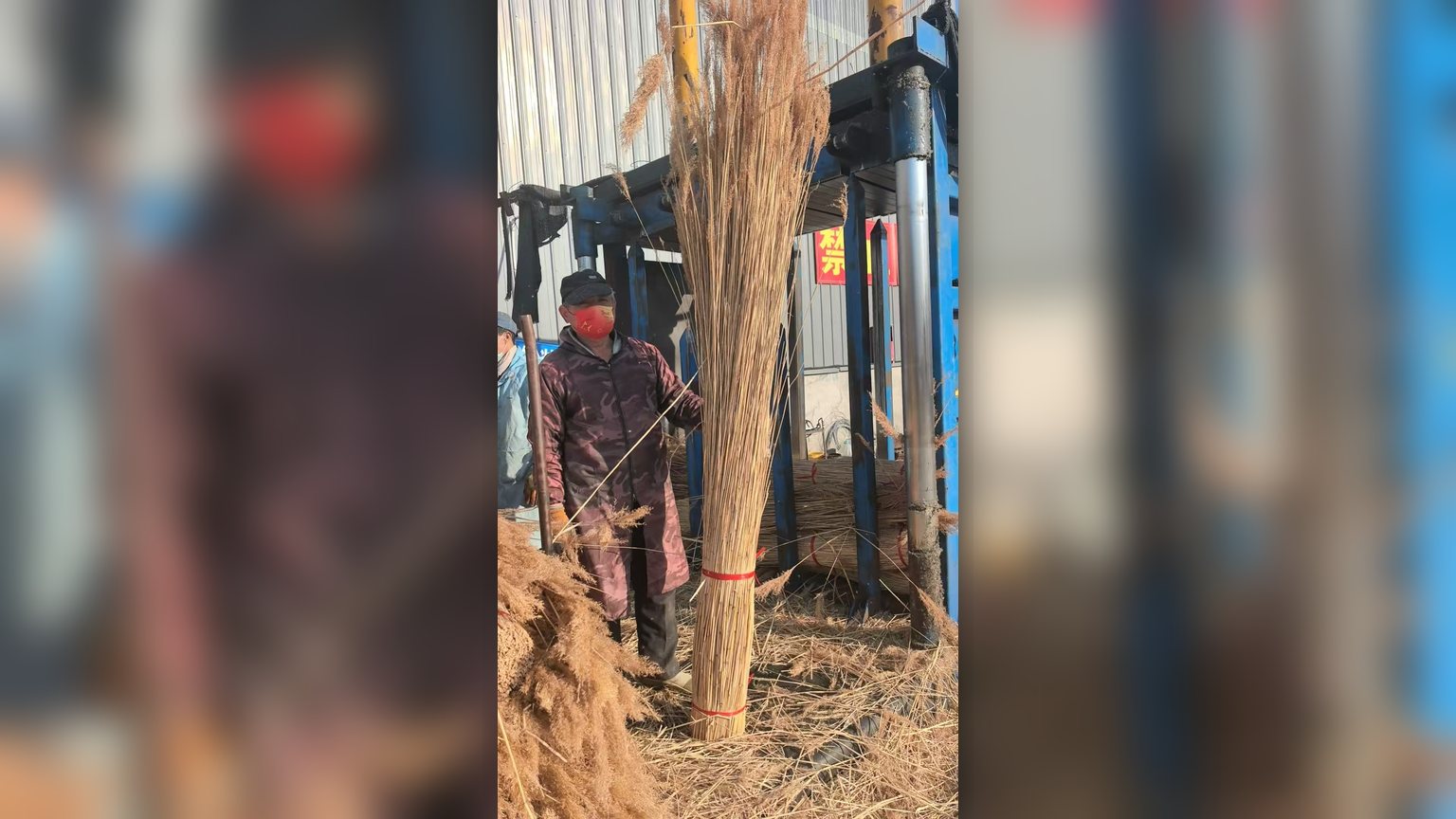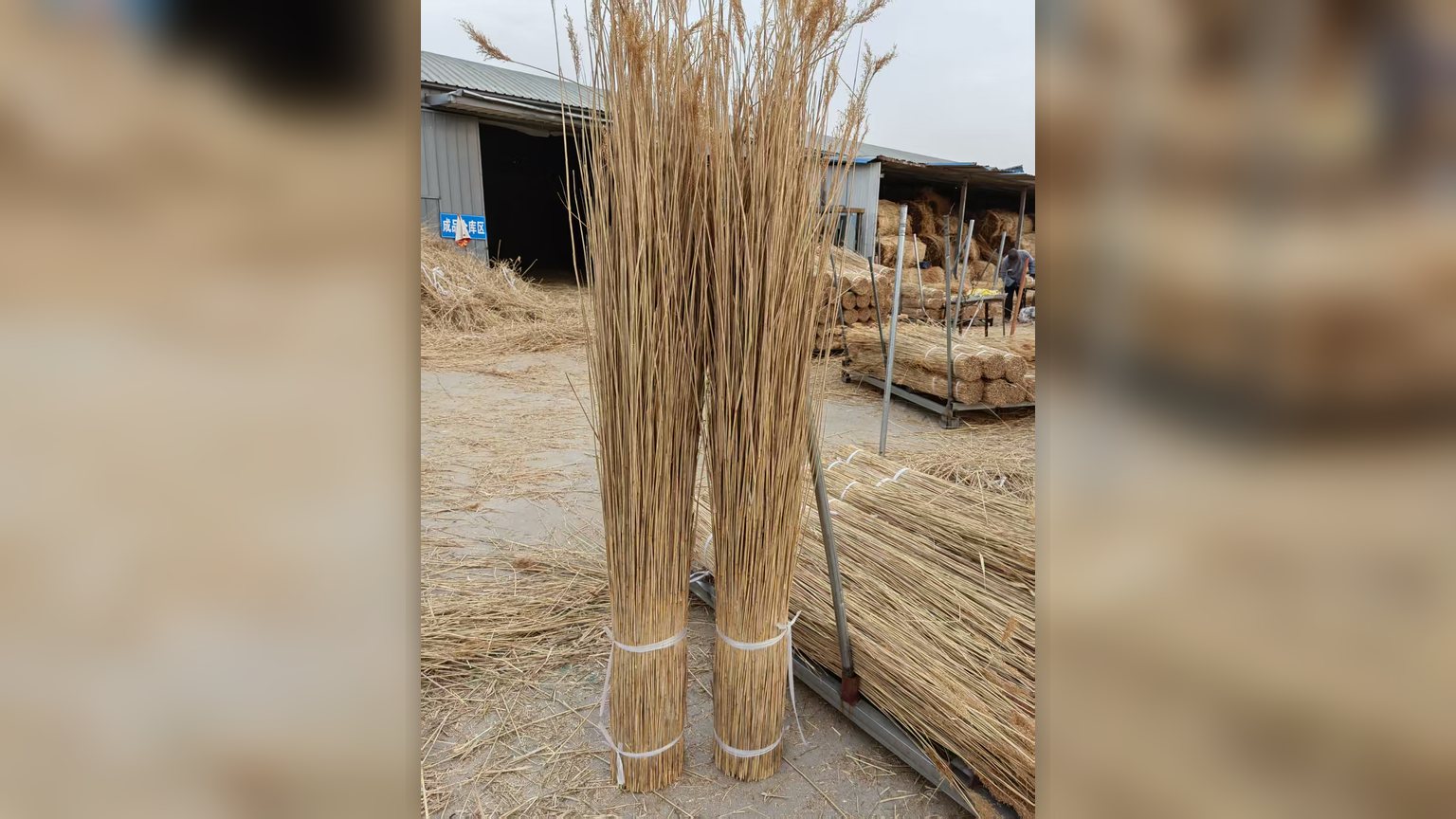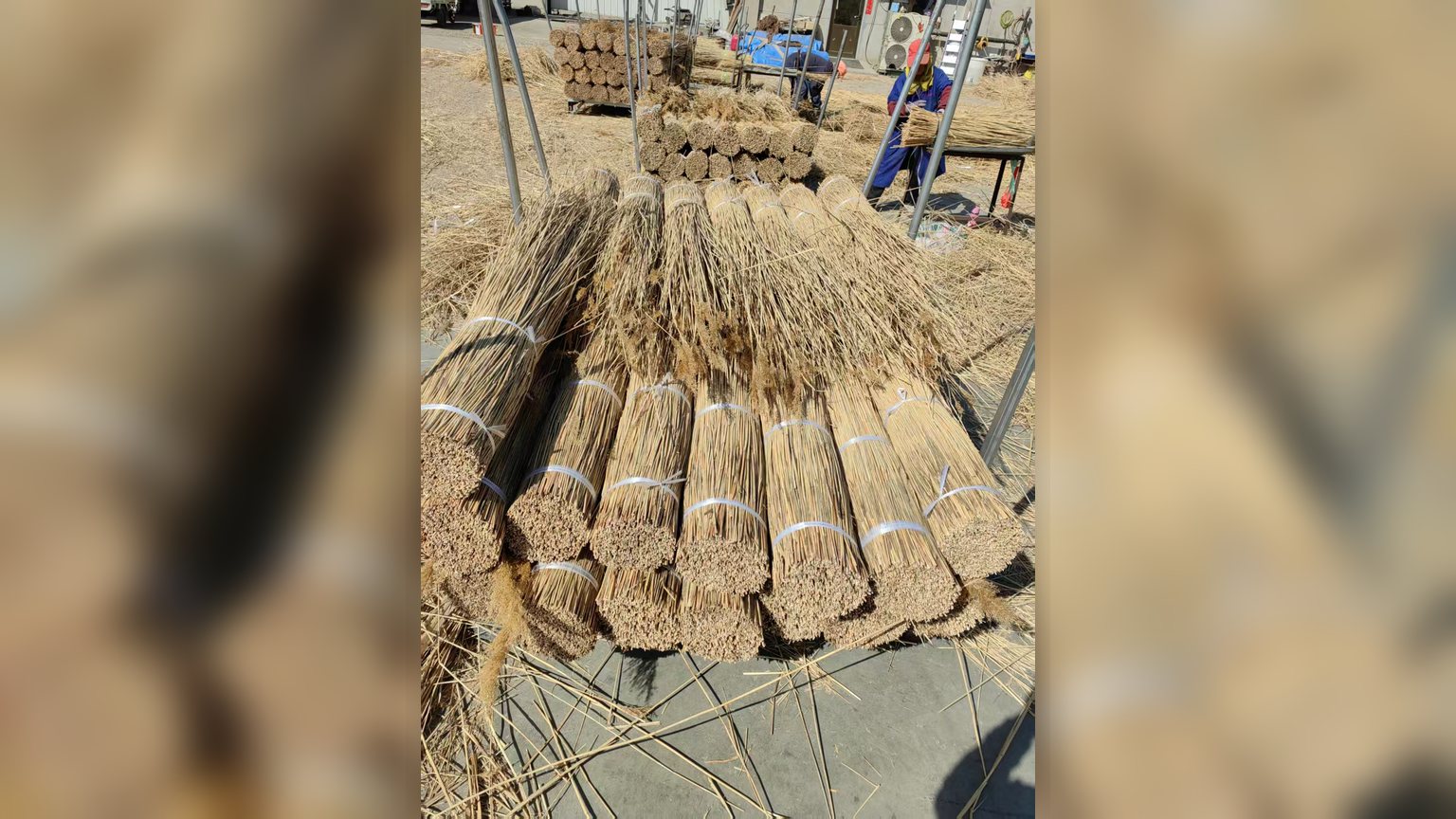
Three materials dominate European thatching: water reed, long straw and combed wheat reed. They look different, behave differently on the roof and suit different traditions. Here is how they compare.
Water reed (Phragmites australis)
The most durable option. Its hard, hollow stems form a steep, crisp, water-shedding surface and a main coat commonly lasts 30 to 60 years. It is the standard choice in the Netherlands, northern Germany and increasingly elsewhere, and the dominant imported material.
Long straw
A traditional English material made from threshed cereal straw laid with stalks running in mixed directions, giving a softer, more “poured-over” look. It is attractive and historic but generally has a shorter life — around 15 to 25 years — and needs netting against birds.
Combed wheat reed
Despite the name, this is wheat straw, not reed: the straw is combed so the stems lie parallel, producing a neat surface similar in appearance to water reed. Its lifespan sits between long straw and water reed.
Comparing the three
- Durability: water reed > combed wheat > long straw.
- Appearance: reed and combed wheat give a crisp, dressed look; long straw is softer and more rounded.
- Maintenance: straw materials usually need more frequent attention and netting.
- Availability: water reed is widely traded internationally; straw materials are more regional.
Which should you choose?
For longevity and a clean finish — and for most new build and continental work — water reed is the benchmark. For heritage roofs in regions with a long-straw tradition, matching the original material may be required for authenticity or by conservation rules. When in doubt, follow local practice and your thatcher’s advice.
Practical buyer notes
Water Reed vs Long Straw vs Combed Wheat: Thatching Materials Compared matters because reed is bought, shipped and installed as a working building material, not as a generic natural product. A buyer needs to understand how the subject changes risk on the roof, in the container and at the job site. The short version is this: the best reed is boring in the best possible way. It arrives clean, dry, straight, tightly bundled and predictable. The thatcher does not need to fight the material. The importer does not need to explain surprises. The building owner receives a roof that behaves as promised.
Material choice changes the whole roof character: reed tends to produce crisp planes, long straw gives softer rounded forms, and combed wheat sits between craft traditions.
The three main thatching materials compared on durability, appearance, cost and where each is traditionally used. In practice, that means looking past broad marketing claims and asking for observable details. Where was the reed grown? Was it winter cut? How dry is it? Are the stems mostly straight? Is the bundle circumference consistent? Does the supplier understand the local market, whether the job is a Dutch rieten dak, a German Reetdach, a new-build villa, a heritage repair or a ridge renewal? These questions make the difference between a smooth project and a roof that starts with compromises.
Material articles should help a buyer recognise the physical reed in front of them: stem hardness, colour, cleanliness, bundle consistency and origin. Jin Reed writes these guides for importers, roofers, architects and procurement teams who need practical judgement before they commit to samples, containers or specifications. The goal is not to make reed sound mysterious. The goal is to make the buying decision clearer and less dependent on guesswork.
What to check on site
When reed arrives on site, start with the simplest checks. Look at the colour across several bundles, not just the best bundle placed on top. Clean golden colour usually indicates sound drying and storage, while grey, blackened or uneven patches deserve closer inspection. Smell matters too: good dry reed should smell natural and grassy, not musty. If a bundle smells damp, open it and check the interior before it is accepted into the working stock.
When comparing quotes, check that each contractor is pricing the same material family, because a reed roof and a long-straw roof are not interchangeable specifications.
Next, check the stems. A hard stem should resist easy crushing between finger and thumb. The outer skin should feel firm rather than papery. Some variation is natural, but a bundle full of weak, crushed, leafy or broken stems will slow the thatcher and reduce the quality of the coat. Straightness also matters. Very crooked reed is harder to dress neatly and can create an uneven surface, especially on roofs where a crisp continental finish is expected.
Finally, check the bundle itself. The tying should be secure, the circumference should match the agreed specification, and the bundle should not collapse when lifted. Regular bundles help with estimating coverage and planning the scaffold rhythm. If the project uses multiple deliveries, compare the new delivery with the approved sample. A supplier who can repeat the sample quality is more valuable than one who can send a beautiful sample once.
Specification details that matter
A useful reed specification is not long for the sake of it. It should define the practical variables that affect roof work: botanical material, origin, length grade, stem diameter range, bundle circumference, dryness, cleanliness, packing method and acceptable variation. For many European thatching projects, the reference conversation begins with natural water reed, Phragmites australis, in bundles of roughly 60 cm circumference, with stems commonly in the 6-12 mm range and lengths selected for the main coat, ridge or detailing work.
Length should be chosen for the job, not copied blindly. Long reed helps on main roof planes where coverage, thickness and a clean dressed surface matter. Shorter or finer material can be useful around eaves, ridges, valleys and details. Diameter should also match the expected finish. Very thick stems may be strong but can be harder to dress finely; very thin stems may lack the body needed for a durable coat. Good grading keeps the material within a working range so the thatcher can build an even roof.
Moisture and cleanliness deserve explicit agreement. Reed that leaves the origin in good condition can still be damaged by poor storage or careless handling. Ask how the material is dried, how it is protected before loading, and how containers are packed. These details are not cosmetic. They influence mould risk, odour, breakage, unloading time and the final trust between buyer and supplier.
Common mistakes to avoid
The first mistake is buying only on the lowest bundle price. Thatching is labour-intensive, and labour usually dominates the final roof cost. A small saving on material can disappear quickly if the reed is slow to lay, inconsistent, too leafy or likely to shorten the service life. A roof that fails early is expensive even if its first invoice looked attractive. The better calculation is cost per useful year, not cost per bundle alone.
A heritage project can be damaged by choosing the longest-lasting material if conservation rules require matching the original straw tradition.
The second mistake is treating all imported reed as interchangeable. Origin, harvest timing, drying and grading all change performance. A container of reed is not just volume; it is thousands of individual stems that must behave together. Buyers should compare suppliers on repeatability, sample honesty, documentation, communication and the ability to keep quality stable through the season.
The third mistake is leaving storage until the last moment. Reed should stay dry, ventilated and off the ground. It should not sit directly on concrete, under torn covers or in sealed spaces where condensation builds. Even strong reed can disappoint if it gets damp before it reaches the roof. Good storage is part of the specification, not an afterthought.
Planning, timing and logistics
Reed buying is seasonal. The best conversations begin before the project needs material on the scaffold. Importers should think in container cycles, sea freight timing, customs documentation, inland transport and the contractor's installation schedule. Contractors should think about roof sections, scaffold access, covered storage and how much material needs to be staged each week. When these plans are made early, the project feels calm. When they are made late, even good material can become a source of stress.
For direct imports from China, clarify Incoterms, loading method, approximate bundle count, documentation responsibility and the expected route to the European port. Ask whether photos or video of the packed material are available before dispatch. Ask whether samples represent the same grade and season as the proposed shipment. These are ordinary commercial questions, but they reveal whether the supplier understands professional buyers.
Lead time should include more than the vessel sailing time. Allow time for sample review, order confirmation, harvest or stock allocation, packing, export documents, sea freight, port handling, customs, inland transport and on-site unloading. If the project is tied to a weather window, build in margin. Reliable reed supply is valuable because it lets everyone plan with fewer surprises.
How this connects to roof quality
A thatched roof is the result of material, design and workmanship working together. Reed quality alone cannot rescue a roof with poor pitch, bad detailing or weak ventilation. Skilled workmanship cannot fully hide poor material either. The durable roof comes from the combination: a steep enough pitch, sound roof structure, good ventilation, careful detailing at ridges and penetrations, and reed that is hard, clean and consistent.
That is why Jin Reed's knowledge base connects topics instead of leaving each article isolated. If you are reading about one subject, the next useful question is usually nearby. Roof life connects to roof pitch, maintenance, reed selection and storage. Market demand connects to import logistics, regional practice and supplier reliability. Sustainability connects not only to the plant, but also to long service life.
For the best result, treat reed as a professional material with a chain of responsibility. The wetland grows it. The harvester cuts it at the right time. The processor cleans and grades it. The exporter protects it through packing and shipping. The importer stores it well. The thatcher lays it with skill. The owner maintains it sensibly. Weakness at any point can shorten the life of the roof.
Questions to ask before you decide
Before ordering, ask the supplier for the exact grade, origin, length range, stem diameter range, bundle circumference, moisture expectations, packing method and sample availability. Ask whether the reed is in stock or tied to a harvest schedule. Ask how many bundles typically fit into the proposed container and how that number can vary. Ask what photos, documents and inspection steps are available before loading.
Before installation, ask the thatcher whether the selected reed suits the roof pitch, exposure, ridge design, detailing and local tradition. A Dutch roof, a German coastal house, an English heritage roof and a modern biobased villa may all use reed, but they do not always ask the same thing from the material. Local craft knowledge should guide the final specification.
Before comparing prices, ask what each quote includes. Does it include the same grade? The same bundle size? The same delivery terms? The same documentation? The same reliability? Cheap offers sometimes hide risk in vague specifications. A clear quote is easier to compare, easier to approve and easier to defend if the project involves several stakeholders.
Related Jin Reed guides
This article sits inside a wider practical guide to water reed, thatching and European reed supply. Useful next reads include What Is Water Reed? The Material Behind Europe’s Thatched Roofs; Why Origin Matters: Reed from the Zhalong Wetlands; Why Winter-Harvested Reed Makes a Better Roof; How Long Does a Thatched Roof Last?. Together, these articles help buyers move from general interest to a clear, defensible specification.
Key terms for search and answer engines: water reed, Phragmites australis, thatching reed, natural roofing material, reed bundles. Jin Reed supplies premium natural water reed from Northeast China for thatched roofing, ridging, fencing, screening and natural construction projects across Europe.
A simple inspection record to keep
For professional buyers, a short inspection record is worth keeping with every delivery. Record the supplier, harvest season, container number, order reference, date received, visible condition, moisture impression, bundle count, storage location and any variation from the approved sample. Add photographs of the opened container, the first bundles unloaded, a close view of stem colour, and one bundle measured for circumference. These notes do not need to be bureaucratic. They create a shared memory for the next order and make quality conversations factual rather than emotional.
If several teams handle the same material, the record also protects the chain of responsibility. The importer can show that reed arrived dry and clean. The contractor can show how it was stored before use. The owner can understand why covered storage and timely installation matter. In a traditional craft, written records may feel unnecessary, but they help modern projects run smoothly, especially when material crosses borders before it reaches the roof.
Plain-language terms used in this topic
Bundle circumference is the measured girth of a tied reed bundle, often used as a practical reference for quantity and handling. Stem diameter describes the thickness of individual reed stems and affects dressing, density and finish. Main coat is the principal layer of thatch on the roof plane. Ridge is the top capping of the roof and is renewed more often than the main coat. Pitch is the roof angle; a steeper pitch normally sheds water faster and supports longer service life. Winter-cut reed is harvested after the growing season when sap is low and stems are hard.
Clean reed means reed with low leaf, weed and debris content, not reed that has been artificially polished. Traceable origin means the buyer knows the growing region rather than receiving a vague blend of unknown sources. Repeatability means the supplier can deliver material that matches the approved sample not once, but across orders. These terms are simple, but they are the language of fewer disputes and better roofs.
Procurement email template
When contacting a supplier, keep the first message specific. A useful enquiry might say: “We are sourcing natural water reed for a thatching project in [country]. Please confirm available harvest season, length grades, approximate stem diameter range, bundle circumference, moisture and cleanliness standard, bundle count per 40 ft container, sample availability, lead time, Incoterms and export documents. Please also send recent photos of the actual grade proposed, not only catalogue images.” This kind of message signals that the buyer understands the material and expects a professional answer.
For repeat orders, add one more sentence: “Please compare this lot with our previous approved sample and identify any differences in colour, length, stem strength or bundling.” Good suppliers welcome that clarity. It helps them protect the relationship and helps the buyer protect the roof. The best reed trade is not a one-off transaction; it is a repeatable supply process built on clear specifications, honest samples and careful handling.
Frequently Asked Questions
Which thatching material lasts longest?
Water reed generally lasts longest — often 30 to 60 years on the main coat — compared with roughly 15 to 25 years for straw materials, though all depend on pitch, climate and workmanship.